This Is How Tool-be, Educall and Coding Dojo Are Creating Social Impact in Latin America
7 min read Impactus Ventures
Find out how these startups are helping solve social problems in childhood and youth.
Entrepreneurship with social impact is gaining strength in Latin America for one reason: it is one of the regions with the greatest inequality in the world in health and education. More than 14 million girls, boys and young people are outside the education system, according to data from the International Labour Organization and UNICEF.
And that is not all. More than 9 million children are obese or undernourished, and around 9 million young people of working age are unemployed. It is an alarming situation that requires organizations, companies and governments to work together on a solution.
Fortunately, there are Latin American entrepreneurs taking action to face these challenges with innovation and technology, to achieve greater social impact. Social entrepreneurship and technology-based companies have become important allies in fighting these problems and building a bright future in the region.
For this reason, here are three startups that are creating a positive impact on the lives of girls, boys and young people in vulnerable communities and in situations of poverty. Come along and learn their story.
Tool-be fights malnutrition in early childhood in Colombia
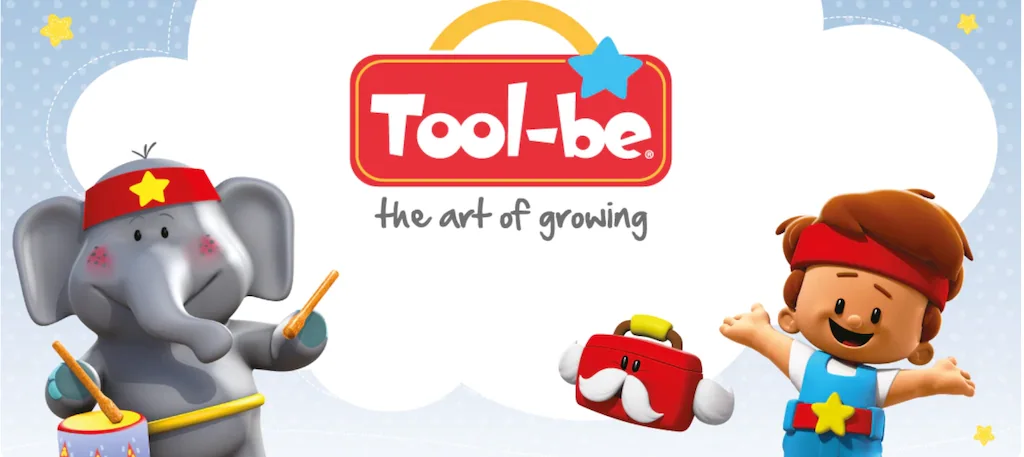
This Colombian company focuses on helping mothers and fathers in the overall development of their girls’ and boys’ first years. Tool-be started in Brazil in 2013, and two years later opened its first Experience Center in Medellín, Colombia, where it gathered the learnings to create its teaching platform, the Tool-be System.
Besides the platform, one of its main products is Toolbox, a box that contains physical games and books. It is a tool given to mothers and fathers so they can encourage and support their children’s development from home.
Tool-be guides them in parenting so that children develop in a way that is right for their age.
The problem is that there is a barrier to children’s development: malnutrition. In Colombia, in July 2022 there were 8,710 cases of children under 5 with moderate and severe acute malnutrition. Of these, 13% are children under 6 months. So far in 2022 alone, more than 137 deaths of children under 5 from malnutrition have been recorded.
Aware that the greatest efforts to fight child malnutrition must be made in the first 5 years of life, through interventions aimed at preventing irreversible neuronal damage and the physical effects of malnutrition that can lead to death, the nutrition education Toolbox called PEANUT (Food and Nutrition Education Program) was born.
The “Toolbox PEANUT” box contains educational games and books with healthy, affordable recipes, and also gives access to the platform, which offers personalized content according to the child’s age, tools for weekly meal planning and various tools to reinforce learning at home.

The first implementation of Toolbox PEANUT took place in 2021 together with Grupo Éxito, a well-known retail chain. This first stage reached 97 rural municipalities in Colombia, with a group of 387 families.
For this program, Tool-be gives each family the PEANUT box and supports them for 12 months through an omnichannel strategy that includes personalized phone support, messages via SMS, WhatsApp and IVR (interactive voice response) calls.
Of all the families, 120 children at nutritional risk were registered, including undernutrition and obesity. Of them, 15% had moderate and severe acute malnutrition.
After active participation during the 6 months of the program, 70% of the children who were malnourished managed to reverse it, and all are expected to do so before the program ends. The rest of the participating families also managed to maintain a normal nutritional status.
Educall supports science teaching in Indigenous communities without internet access
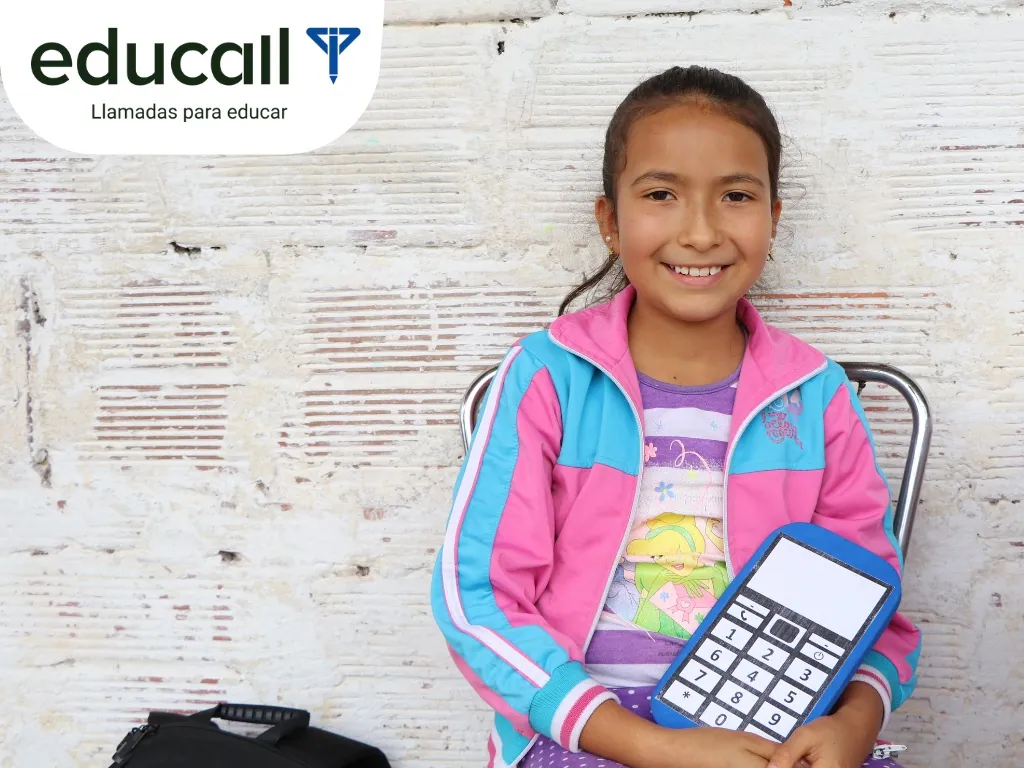
Educall is a Colombian startup that provides a platform of educational support services for people without internet connection in vulnerable communities, allowing access to high-quality educational content asynchronously and synchronously.
Internet access is a serious problem in the region. In Colombia alone there are six million children without a web connection, making their learning harder and widening inequality.
The company was born in 2021 with the mission of facing this problem, which worsened during the pandemic. The main feature of its platform is that education, reference information and educational follow-up are done remotely through phone calls. The content shared and the lessons focus on reading, science and English.
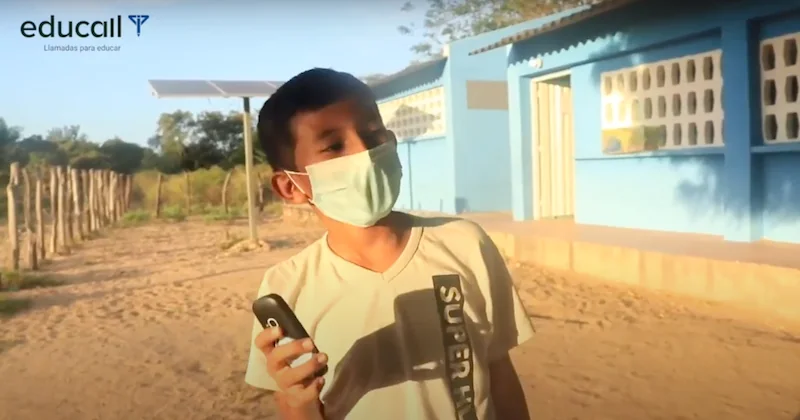
In Colombia, during 2021, Educall’s science school by phone was implemented in Wayuu Indigenous communities without internet access.
The program adapted its content to include their cosmology and ancestral relationship with the land. This made it possible to develop experiments and activities tied to planting techniques, composting, solar dehydration and natural pesticides.
This project was carried out in partnership with ScienteLab, Clubes de Ciencia Colombia and JCI Wayma, who made it possible to develop a version for the ancestral knowledge of these communities called Saalewa’in mma - Friends of the Earth.
It benefited 70 children between 8 and 12 years old in the communities of Manantial and Aranalito in Colombia, which were selected for their vulnerable location. The children were able to learn through real projects, supported by content delivered through the Educall platform.
Coding Dojo and its support for young people’s job placement

Coding Dojo is a startup that was born in Silicon Valley in 2012. It aims to teach job skills in short periods through bootcamps and to support young people’s job placement.
Today, Coding Dojo offers various course or bootcamp options, in person and online, in both the United States and Latin America. The bootcamps last between 12 and 16 weeks. Its program lineup includes bootcamps in software development, data science, cybersecurity and UX design.
Since 2012, more than 11 thousand students have graduated, with up to 95% employability.
The startup has won numerous awards and recognitions in both technology and social wellbeing. It was named Best Bootcamp 2020-2021 by Course Report, and won the Shorty Social Award 2020 in the Best in STEM category.
Coding Dojo, in partnership with the Forge foundation in Chile, developed an educational initiative so that economically vulnerable young people learn tech industry skills and can start a career in the digital field.
In this project, carried out during 2021, Coding Dojo led the teaching of technology skills through the bootcamp, and Fundación Forge taught skills and tools for the working world.
More than 50 young people took part in the first version, 40% of them women. Of the total, 70% of participants got a job in technology after finishing the bootcamp.
In 2022, Coding Dojo joined the Forte scholarship program in Medellín, Colombia, to teach its programs to hundreds of people so that they acquire tech industry skills and start a career in the digital field.
The first group is 75 students who are in the web development and programming bootcamps.
Looking ahead
These startups are examples of how it is possible to positively impact the lives of communities in need. Their results show that it is possible to bring about change in problems as complex as malnutrition or youth unemployment thanks to innovation and technology.
Going forward, the number of startups that build impact into their value proposition is expected to grow. This also lines up with investors’ growing interest in finding startups that are helping solve social and environmental problems.
Like the founders of these companies, you can also be a change agent and build a better future for girls, boys and young people in Latin America. Do you dare?