Hipocampus: Using Educational Technology for the Wellbeing of Refugee and Mobile Families
9 min read Impactus Ventures
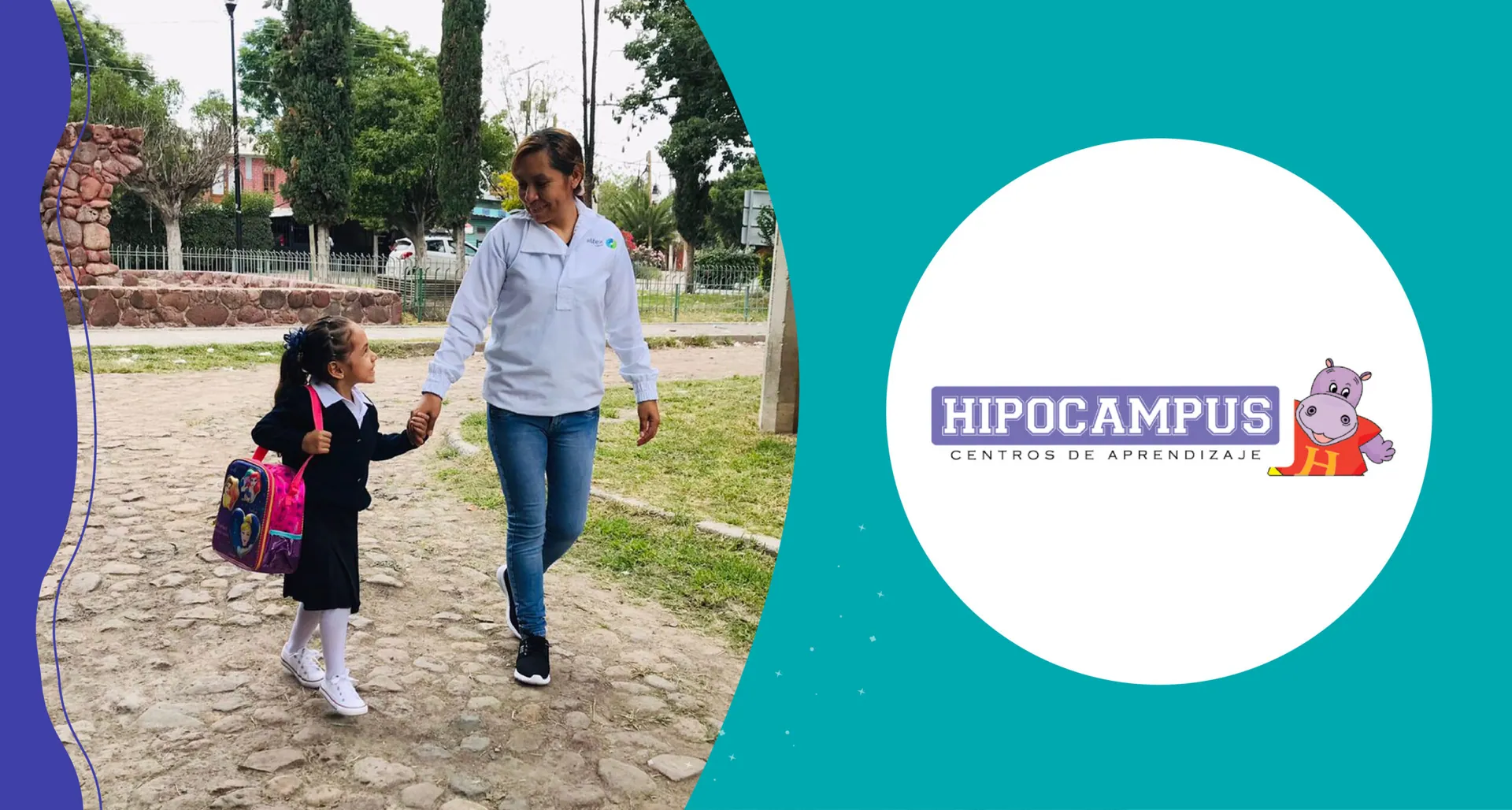
Learn about the solution this social enterprise will implement to foster the development of socio-emotional skills with technologies such as artificial intelligence and microlearning.
Do you know how hard it is for a refugee to have to migrate from their country of origin and start a new life in an unfamiliar place with young children? This situation also carries a very heavy emotional load that affects the wellbeing of parents and, in turn, their children. Hence the need to give them educational technology tools and emotional support that accompany them through this very hard process.
Few startups and social enterprises have dedicated themselves to addressing this problem, despite the need that exists and the great opportunities to do so with educational technology. This is the case of Hipocampus, a Mexican education and care company for early childhood children that in the coming months will implement an educational program to help refugee and mobile families develop socio-emotional skills and so cope with their situation.
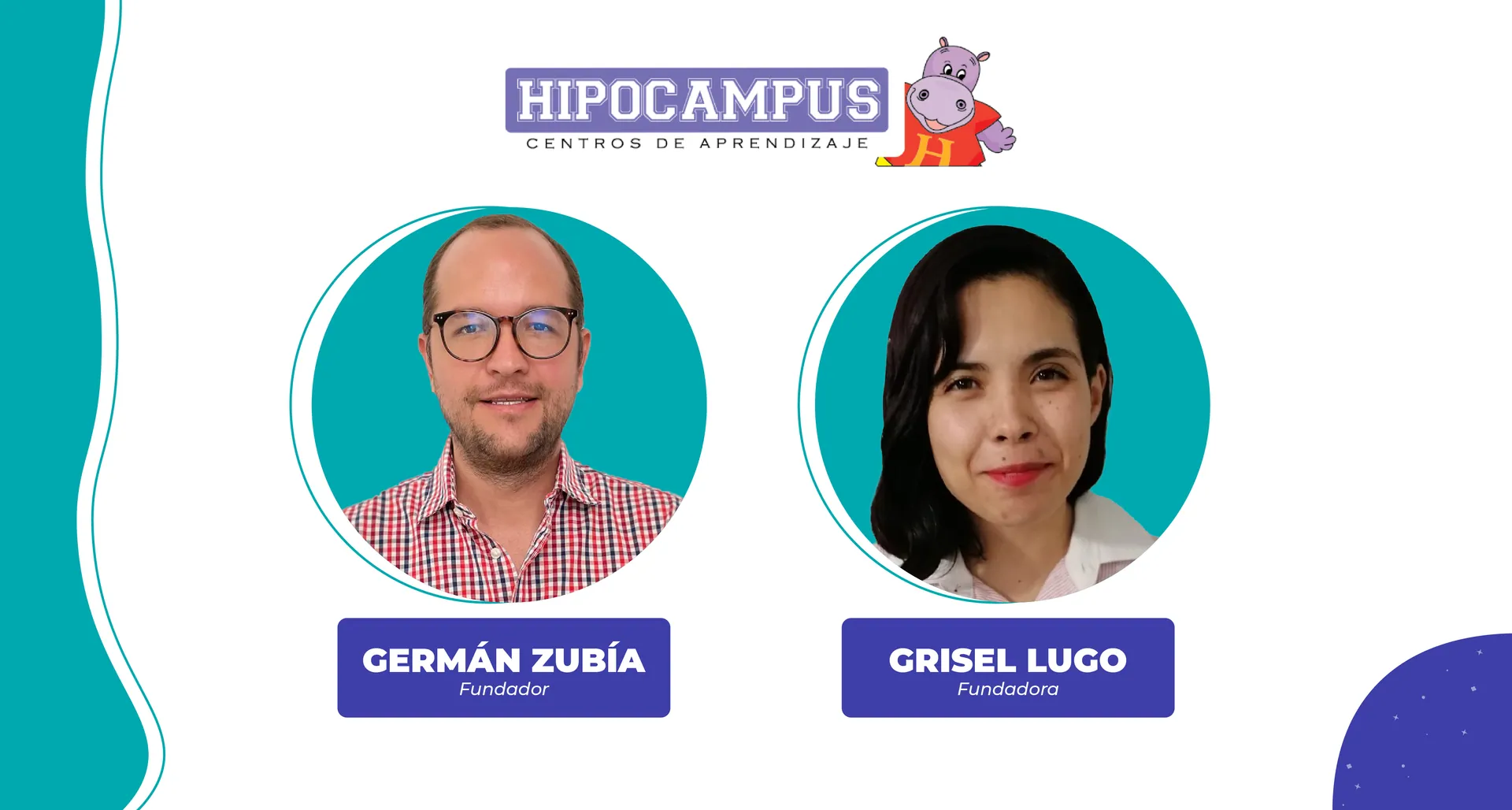
This program provides specialized support through WhatsApp so that children’s parents or guardians can strengthen their personal development skills with the help of different tools and educational content. It also includes game-based activities for children’s care and learning. Germán Zubía, the company’s founder, explains: “If caregivers are not well, it is very hard for the children to be. There are many levels of stress and little recognition of the role of the person who cares for the child.”
It is an innovative solution that has already been tested in the company’s educational centers. They began to implement it from the pandemic onward, when they needed to communicate online and remotely with children’s parents and guardians because of the closure of all physical spaces around the world as a preventive measure.
Now the company will bring this tool to refugee and mobile families in low-income communities in the state of Nuevo León in Mexico, adapting it to the context lived in these areas and with a special focus on developing socio-emotional skills using microlearning technologies and tools such as WhatsApp. It will do so with the support of Vía Educación, a nonprofit organization with a long track record working with childhood and in vulnerable contexts.
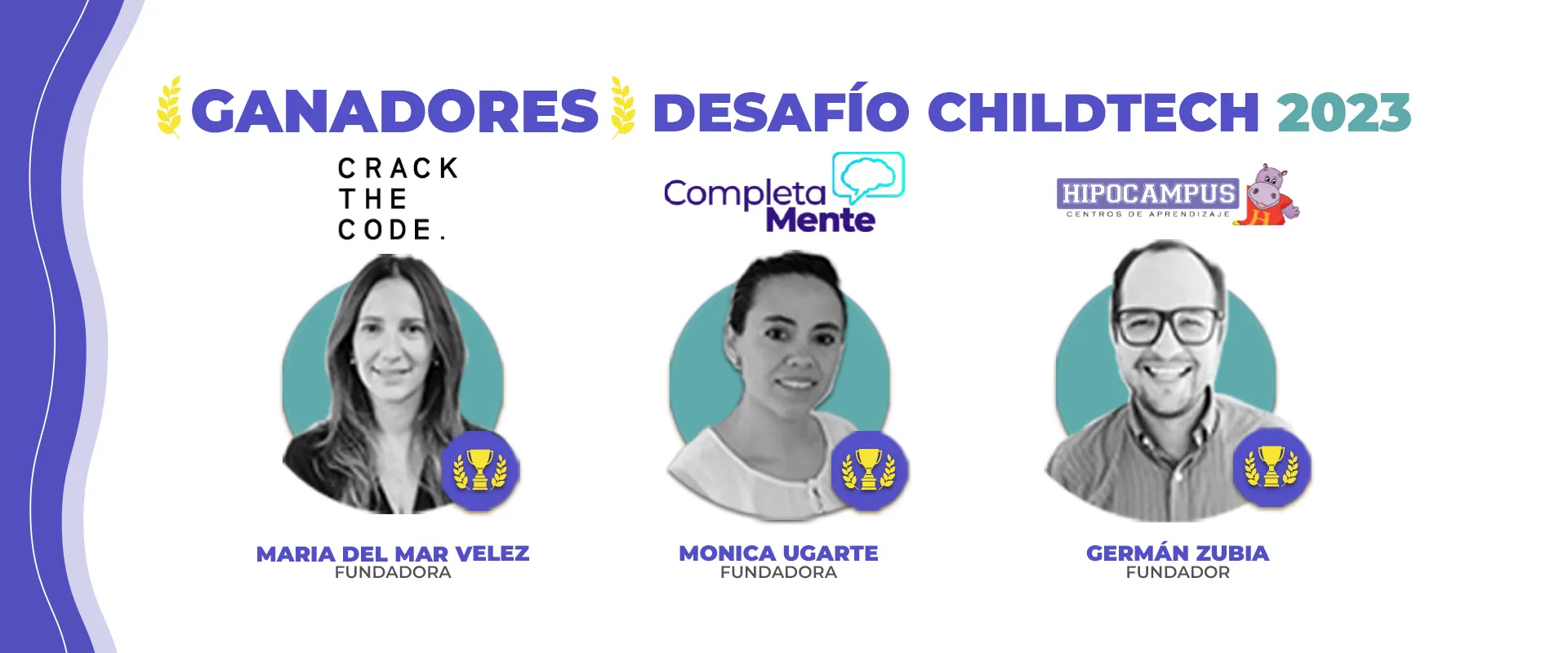
This implementation is part of the Childtech Challenge 2023, the most prominent social innovation competition in Latin America for companies around the world focused on childhood and youth, which Hipocampus won in the challenge ‘strengthening socio-emotional skills in refugee and mobile families’.
“Winning the Childtech Challenge is crazy, and we are very excited because it validates our commitment to increasing access to quality care and education,” says Germán. “It is also an invitation to do more with technology in early childhood, and to do it responsibly to generate more impact,” he adds.
The entrepreneur believes that using digital technology in the right way ensures equitable access and can open new opportunities for those who have fallen behind because of vulnerable conditions.
“In my view, this is the main role of technology in early childhood learning. For example, by helping children develop their potential and break the intergenerational cycles of poverty, by providing learning and education opportunities in remote regions or during humanitarian crises, by making it easier to access relevant information on issues that affect their communities and giving them tools to solve them,” says Germán.
The problem
It is important to note that in 2022 alone, more than 100 thousand people filed asylum applications in Mexico. An important part of this group is made up of families coming mainly from Central America and Haiti. According to data from the UN Refugee Agency, UNHCR, by the end of that same year there were more than 12 thousand people registered at the Monterrey sub-office in the state of Nuevo León, of whom 8 thousand are refugees and almost 3 thousand are asylum seekers.
Of this population, 33% are girls, boys and teenagers from 0 to 17 years old. In addition, 558 women and 1,600 girls, boys and teenagers have been identified as at risk in various situations.
The experience of a displaced family that emigrates and seeks refuge in another country brings a series of challenges, especially when young children are involved. First, the process of adapting to a completely foreign environment not only affects the family’s structure and bonds, but also creates a series of emotional tensions that can echo over time.
The loss of cultural and social familiarity can cause feelings of isolation, alienation and nostalgia, significantly intensifying the emotional load that inherently comes with the act of displacement itself. These emotional aspects become even more significant when we consider their impact on early childhood girls and boys. This stage is crucial for their development and can be deeply affected by the disruption of a familiar family and social environment.
The uncertainty and emotional tension that arise from emigration can show up in a variety of ways, from difficulties in regulating emotions to changes in sleep and eating patterns. That is why it is important to work on promoting socio-emotional skills in both adults and young primary caregivers in these families.
Hipocampus’ solution is expected to be a great support and easy to use for refugees and mobile people in vulnerable communities in Mexico, considering the situation they live in and the fact that a large part of the population still does not have high-end phones or internet access that would allow the use of sophisticated tools and technologies.
**
**
The company’s story
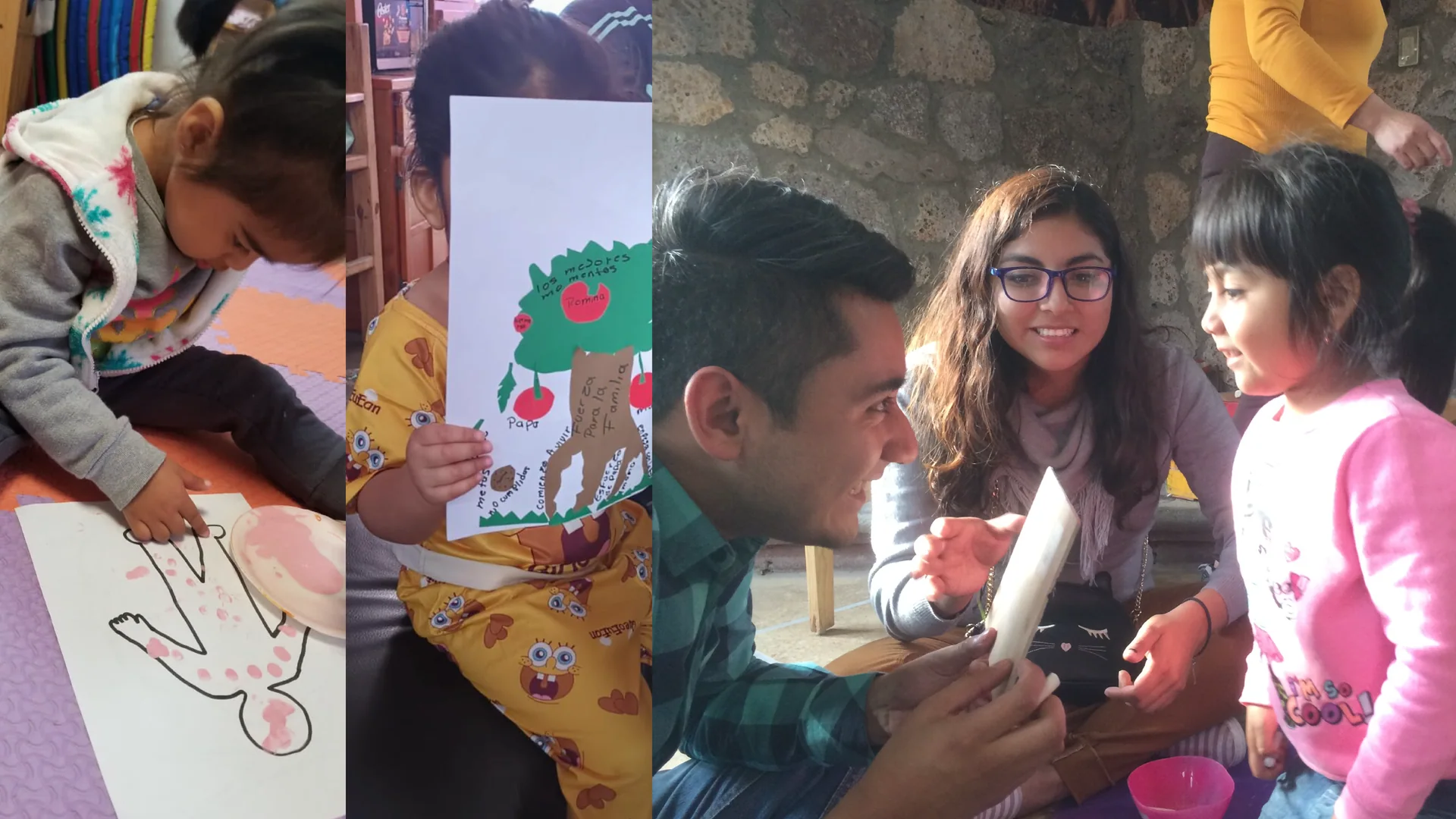
Hipocampus has been in the market for 8 uninterrupted years providing low-cost education for early childhood children in vulnerable areas in Mexico. Its educational model, based on learning foundations and techniques such as the Montessori system, constructivism, attachment theory and operative psychomotricity, lets children develop different abilities at their own learning pace and according to their physical, emotional and cognitive conditions. It also develops its own materials and educational activities.
Today, Hipocampus has 8 learning centers in 5 states of the Mexican Republic. It has benefited more than 900 children and 1,550 families. It has major investors such as Promotora Social México, CO Capital and Gray Matters. Part of its model also includes training local women so they can work as educators. So far, it has employed 65 women in this profession.
How did this company come about, and where does its founder’s interest in social impact come from? Germán had three very important turning points in his life that led him to found Hipocampus. The first was very young, when he did volunteer work in rural communities. He lived there for a while and realized how hard the life is for people with so many shortages and so few opportunities. The second was when he discovered the world of social innovation while studying in the United Kingdom, a topic that sparked his interest in starting a business with a more sophisticated mechanism to scale social impact.
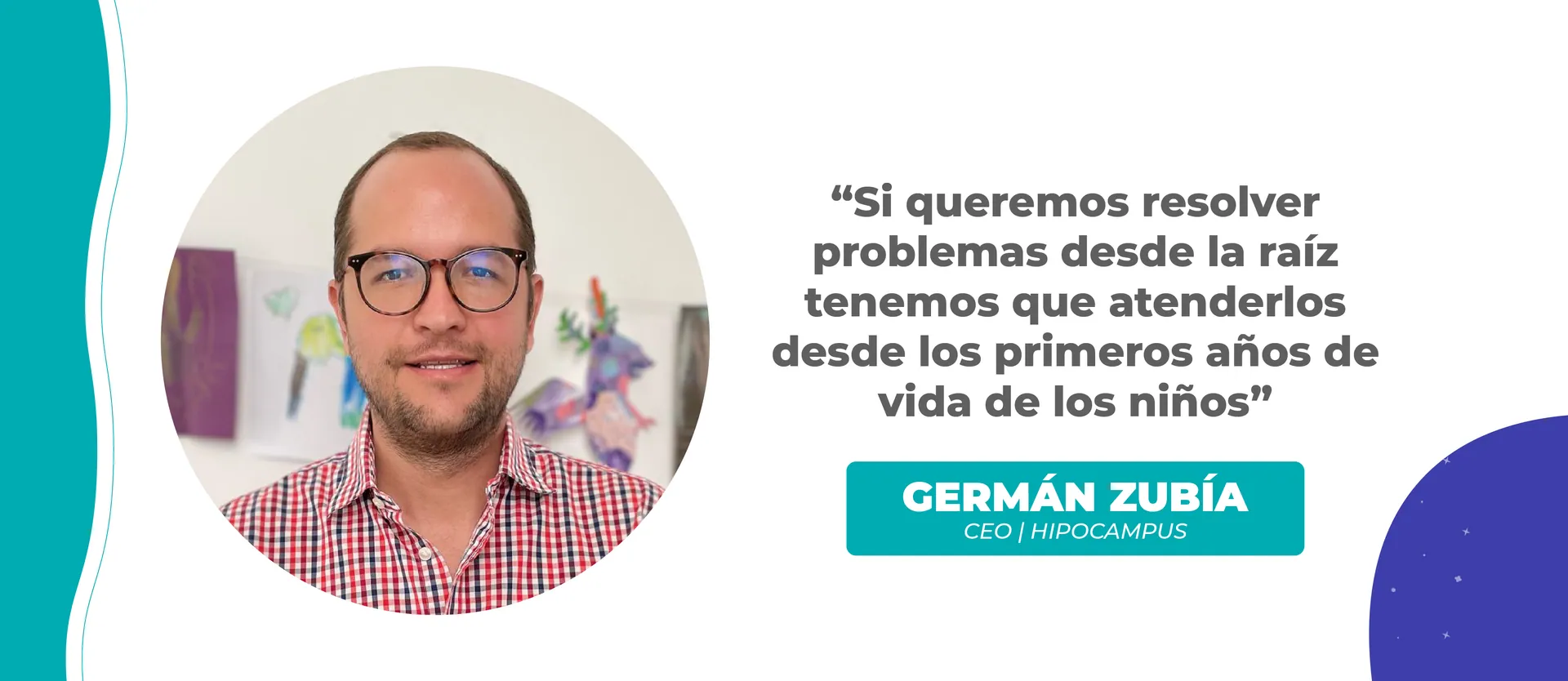
And the third was becoming a father, a stage that immersed him in the world of early childhood and let him discover a powerful insight: “If we want to solve problems at the root, we have to address them from the first years of children’s lives,” says Germán. So he decided to merge his interest in social impact, his love as a father and his passion for early childhood education to create Hipocampus.
Germán and his partners, Lourdes Garza and Luis, had a big challenge: to make sure low-income parents had access to quality care and education services for their children. However, the mission became more challenging considering that quality education costs money and for parents in this segment it is hard to pay for costly services, a factor that would affect the company’s profitability.
How did they solve it? They focused their model on the business sector, providing education and care services for the children of company workers in rural communities. They identified a big pain point. On one side, parents needed to give their children quality education, and on the other, companies suffered turnover and absenteeism among employees for reasons related to their children’s education.
Hipocampus started by opening the first educational center in a rural community in Guanajuato in Mexico that serves the children of parents who work at two agro-industrial plants. That was the pilot with which they launched the company and validated their idea.
Today they have given it an important twist with the implementation of digital technologies such as WhatsApp. The company even uses AI to make back-end work more effective and efficient. For example, to optimize design processes and response speed in interactions with beneficiaries.
On this, Germán says: “Embracing change and understanding the possibilities AI offers will be key, since it will become a valuable tool when applied by trained caregivers. The adaptation, familiarization and understanding needed to use it effectively and enrich children’s learning and experience will be a necessary path, with very interesting challenges.”
However, he warns that even with AI, children’s fundamental needs, such as love and attachment, safety, social interaction, time to play and explore, and motor stimulation, as well as the need for limits and structure, and emotional and mental support, will remain essential. “AI can be a valuable ally, but it can never replace the human attention and care that are vital for children’s overall development,” says Germán.
Now, besides the implementation of the Childtech Challenge, the company is getting ready for a growth stage with more learning centers. They plan to strengthen their technology and launch an innovative plan to find, recruit and train the caregivers in their educational centers. “At first nobody believed we could build a sustainable model focused on this segment,” says Germán, “but last year we reached our break-even point and showed that it is possible to create profitable, sustainable companies with social impact… and we are going for more.”