Crack the Code, the Startup Working to Reduce the STEM Skills Gap with Generative AI
8 min read Impactus Ventures
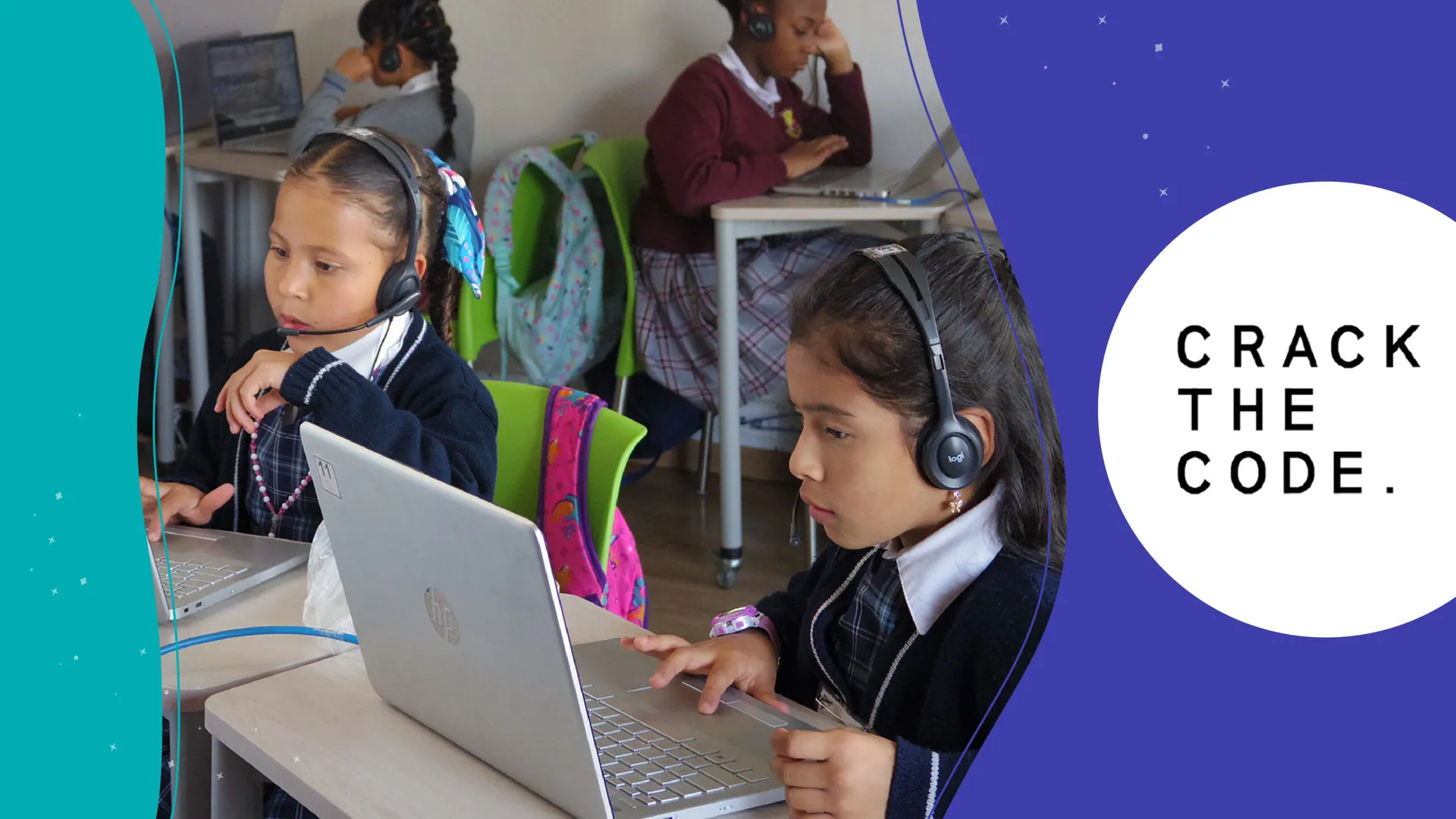
Artificial intelligence is making its way into Latam schools, and this company uses it to train teachers and students in science, technology and engineering skills.
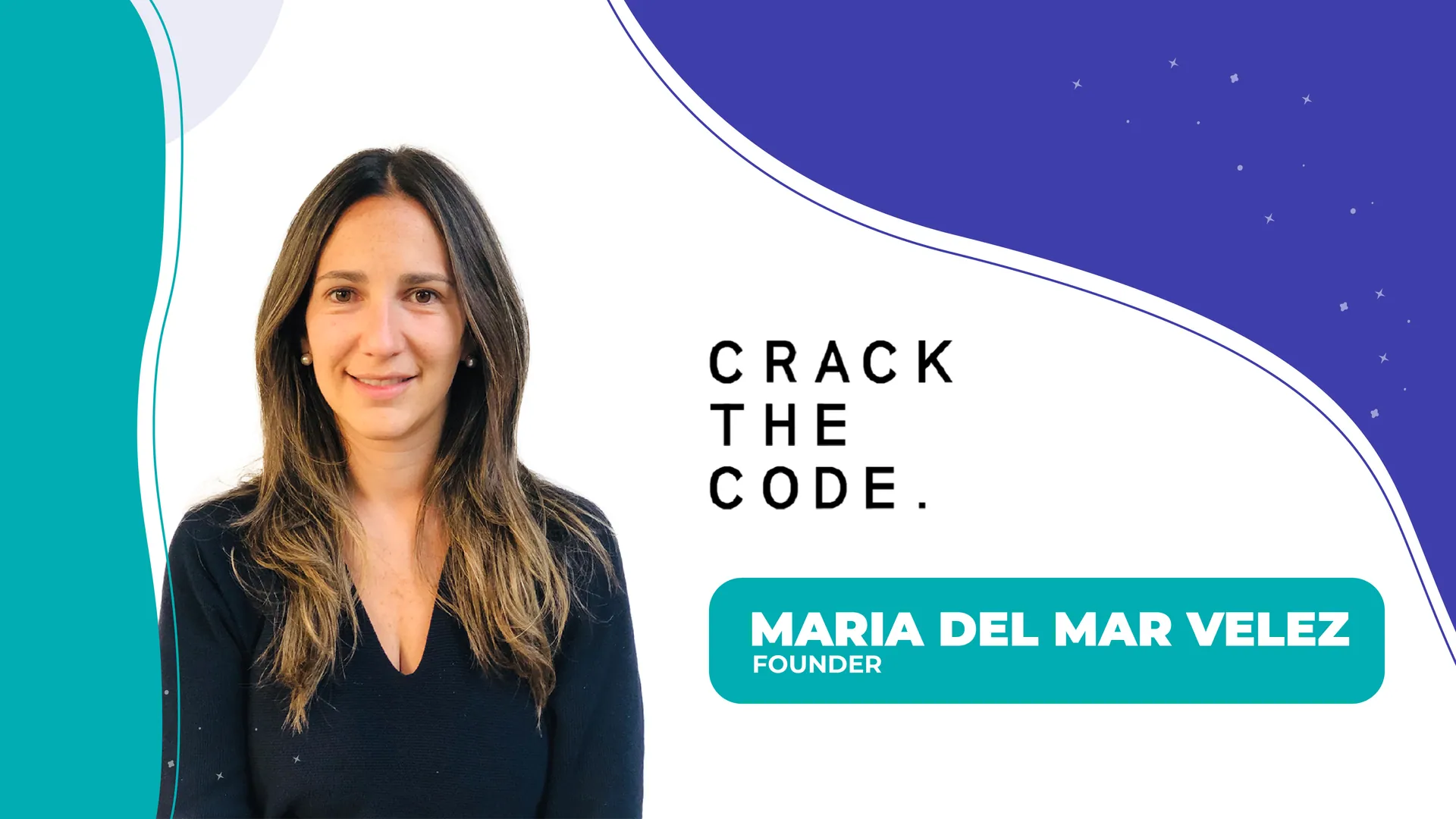
Today’s children are the leaders of the future. María Vélez knows this well. She is an entrepreneur from Medellín, Colombia, who left the financial world to teach children, young people and teachers to develop STEM skills (science, technology, engineering and math). Today, her company is innovating with generative artificial intelligence in K-12 education. This is her story.
María founded Crack the Code in 2017, an educational startup that uses generative artificial intelligence and other technologies to create online courses specialized in programming, technology, video game design and even video editing for children and young people from 5 to 18 years old. These courses are designed so that children and young people can develop technology skills, solve problems on their own, create through technology, acquire social skills, unleash their creativity and learn by playing.
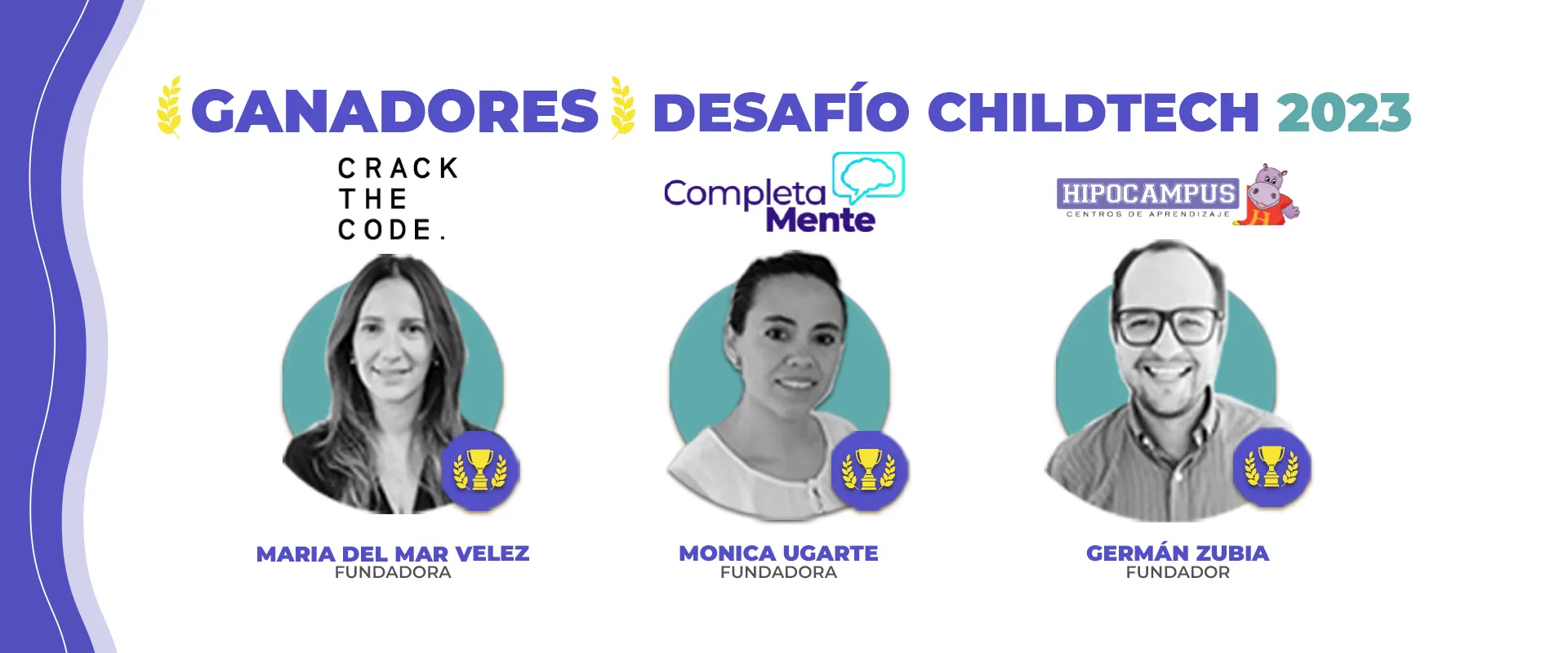
So far, the company has trained more than 14 thousand students in more than 22 countries in Europe, Latin America and the United States. It attracted Kaszek, one of the most important venture capital funds in Latin America, which invested US$2.7 million in a seed round in 2021. And that is not all. It won the Childtech Challenge 2023 in the challenge “Promoting STEM teaching, learning and prototyping with a focus on rural settings in Colombia.”
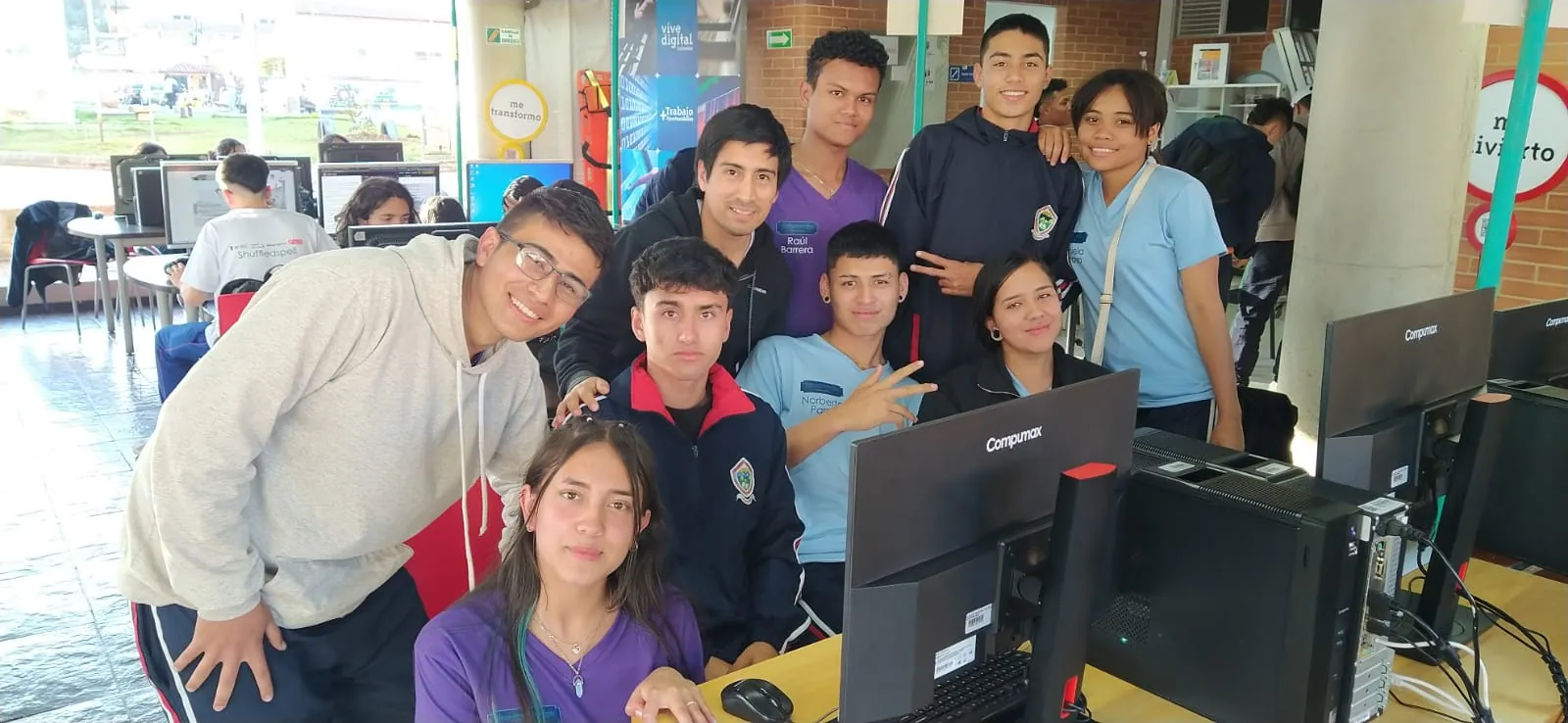
Having won this challenge, it will have the chance to implement its solution in public and private schools of the Corporación Educativa Minuto de Dios, located in vulnerable communities in Colombia. In fact, the implementation is already under way with this corporation, one of the implementation partners of the Childtech Challenge.
Technology with social impact
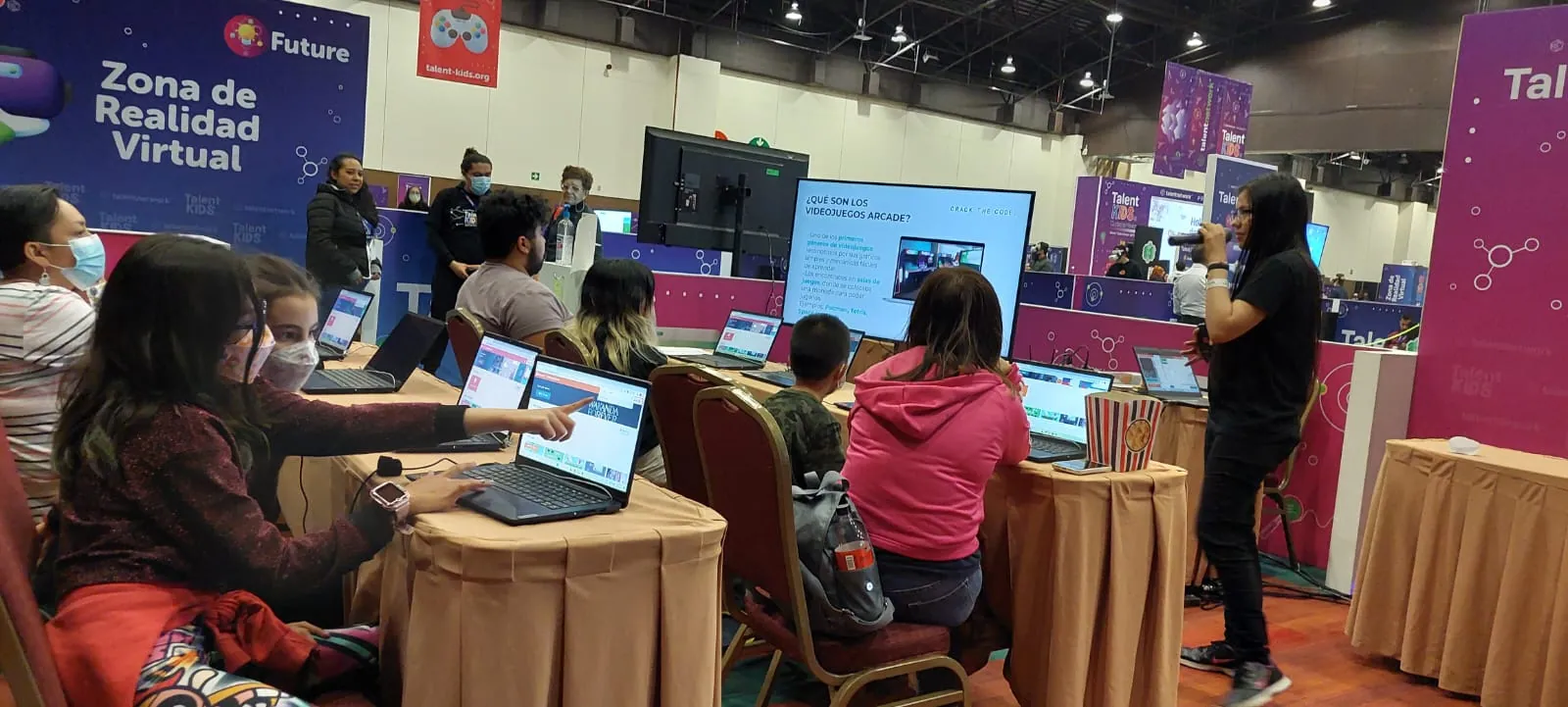
For this implementation, the startup developed an innovative proposal that will teach teachers at these schools to create new educational content on their own using generative artificial intelligence (AI). They will learn about Prompt Engineering using AI-based technology tools such as ChatGPT and Midjourney. This means teachers will be able to create new content, such as images and text, in a practical way to teach students to develop technology and build prototypes.
With this implementation, Crack the Code is innovating in K-12 education in Latin America by integrating generative artificial intelligence into learning systems in low-income schools, so that they can have better-prepared teachers and students can receive the education they need to succeed in the job market.
For María, the use of generative artificial intelligence plays an important role in the education of children, young people and teachers. She believes that if they learn to make the most of it in the right way, they can become experts in different topics, and that it is a “superpower” that speeds up both learning and the impact of every project they carry out.
“Generative AI will be key to personalizing each student’s learning and improving not only educational quality but also learning outcomes. If we manage to scale this and each student has a coach that produces academic work, the results are going to be better. There is a gigantic opportunity there; we have to see how we apply it and scale the impact across the region,” says María.
As for the value generative AI brings to teachers, the entrepreneur says it will help them personalize their sessions, and they will be able to be more efficient not only in correcting content but also in creating it. “They will be able to be a better coach for students because they will have more accurate data on each student, and will be able to support them in a more tactical way without giving everyone the same thing,” adds María.
This technology makes it possible to personalize education, support teachers, make classes more efficient by automating processes, create new educational materials and build flexible learning paths. Unesco, for its part, considers that AI tools open up new opportunities for learning and are an ally in automating education. However, it warns that they must be implemented ethically and responsibly.
According to the latest Ipsos Global Education Monitor, which includes a survey on the use of AI in education in 29 countries, 65% of respondents think teachers should receive training on how to use AI in their teaching methods. The main countries where AI in teaching is considered important are Peru, South Africa, Mexico, Chile, Argentina, Spain, India, the United Kingdom, Japan and the United States.
Without a doubt, generative artificial intelligence is gaining strength globally in education, perhaps because it is one of the sectors with the most technological lag, especially in Latin America, but that is exactly where technology has the power to create many efficiencies. Despite the benefits of this technology, María recognizes that it is very complex to innovate in this sector because many stakeholders are involved.
Still, in the Childtech Challenge she found an opportunity to get closer to the public school education system and serve low-income students with her technology. “The Childtech Challenge will let us impact many more young people. By doing an implementation where we will train teachers and young people, we will have a much bigger impact because we also benefit their families and communities,” says María.
The entrepreneur sees great opportunities to innovate with technology in K-12 education for two reasons. The first is the need to raise the quality of learning. “Education is one of the industries that has taken the longest to evolve, and just now that technology is more developed, we should use it more to create benefits,” says María. And the second reason is the shortage of talent with STEM skills in the region, which is almost 50%, according to the study ‘IT Talent: STEM Competitiveness in Latin America’ by the consultancy PageGroup.
And that is not all. There is also a gender gap in STEM. According to UNICEF, fewer than 30% of graduates in STEM careers are women, a situation that limits opportunities to access quality jobs and their ability to develop or use technology at work. Hence the need to train students in science, technology, engineering and math from early stages such as the K-12 education levels.
This implementation is expected to benefit more than 2 thousand students and 84 teachers in different areas of Colombia such as Bucaramanga, Tumaco, Leticia, Cundinamarca, Madrid, Ibagué and Cali. “We would love for the implementation of our technology that we will do in the classrooms of the Corporación Educativa Minuto de Dios schools to be a successful pilot and the start of an intervention at scale in Colombia,” says María.
**
**
The company’s story
As you can see, Crack the Code is transforming the education of children and young people in the STEM skills vertical with tools that let them learn in an entertaining way. But how did this company come about?
María is passionate about education and technology. She was born in Medellín, Colombia, but grew up in Costa Rica in a family of entrepreneurs. She and her family had to move to that country because of the wave of violence in Colombia in the 1990s. Since she was a child she had the example of her father at the head of the company he himself built. She remembers the days she spent with her siblings at her father’s factory while he worked in the office. She spent a large part of her life there.
Both María and her siblings decided to follow in their father’s footsteps. First her sister Marcela did, creating a luxury handbag brand sold around the world. Then her brother David Vélez co-founded Nubank, the largest neobank in the world, and then María started Crack the Code. But she did not do it until several years after working as an investor at JP Morgan, the most important bank in the United States and one of the largest financial firms in the world.
She had a particular interest in companies with social impact, but the idea of a profitable, sustainable, efficient company with a purpose that did not live off donations kept running through her mind. Some time later she moved to Lima, Peru, and began looking for opportunities to start a business. She looked in the health, education and transport industries. But one caught her. In education she found the need to help children and teenagers develop STEM skills so they have better opportunities in the future by being better prepared.
Realizing this need, the idea emerged of offering specialized courses in STEM skills, programming and robotics under the name Crack the Code. The company started with a physical school where they taught computer science classes. The school was full on weekends and in summer, but the reality is that very few parents understood the subject and it was hard to scale the model. “So we started to restructure; we did it by courses, subjects and topics. With the pandemic that changed a lot and we began to grow exponentially across the region,” says María.
Since then, Crack the Code has been dedicated to fostering learning and curiosity about science, technology, engineering and math in children and young people, through the courses it offers. Now it will do so with teachers at low-income schools in Colombia with the implementation of its platform after winning the Childtech Challenge.
Today, Crack the Code is shaping the destiny of thousands of children and young people in Latin America by giving them access to technology learning. This access is fostering their ability to become, in the future, the creators of the platforms that will transform the world.